Wondering if that charming North Park bungalow comes with hidden headaches? In a neighborhood where many homes were built in the early 1900s through the 1920s, an older home inspection is about much more than fresh paint or curb appeal. If you are thinking about buying in North Park, this guide will help you focus on the systems, permits, and follow-up questions that matter most before you close. Let’s dive in.
Why older homes in North Park need closer review
North Park stands out for its older housing stock. The City of San Diego notes that original subdivisions were recorded just after the turn of the 20th century, and the North Park Historical Survey shows that a large share of residential properties were built between 1911 and 1930.
That age profile matters because older homes often have decades of repairs, upgrades, patchwork fixes, and replacement work behind the walls. In practical terms, you are not just evaluating style. You are evaluating the condition of the roof, plumbing, electrical system, windows, doors, and any past work that may affect your budget after closing.
The neighborhood also includes many classic Craftsman homes, and some properties may be designated historic resources or located within historic districts. That can affect what kind of work needs permits or historic review, which is important to understand before you plan renovations.
Start with permits and historic review
Before you get too deep into cosmetic wish lists, confirm what has been updated and whether the work appears to have been properly permitted. In North Park, this is one of the smartest early due-diligence steps you can take.
The City of San Diego reviews permit applications for any parcel with a structure that is 45 years or older unless exempt. The city also reviews work on designated historic resources and properties within designated historic districts.
That means even straightforward projects can become more complex if a property has historic-review implications. It can affect both timing and cost, especially if you expect to replace exterior features or make visible changes after move-in.
Questions to ask about past work
When reviewing disclosures, inspection reports, and seller updates, ask:
- Was roof work completed with permits when required?
- Were plumbing or electrical upgrades permitted?
- Were windows or doors replaced, and if so, did historic review apply?
- Is the home 45 years or older?
- Is the property a designated historic resource or inside a historic district?
These questions can help you separate a well-documented update from work that may need more research.
Roof inspection priorities
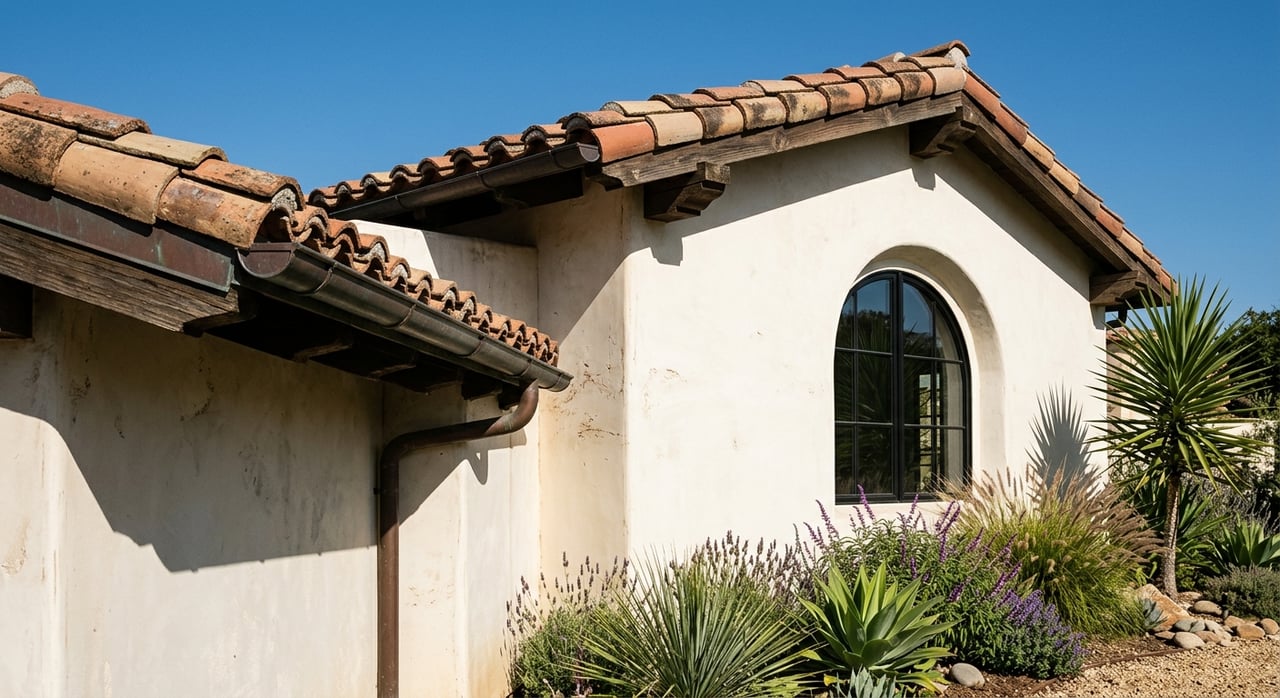
A roof may look fine from the street and still have costly issues. For an older North Park home, ask your inspector to focus on remaining life, visible repairs, flashing, drainage, and whether a roofing specialist should take a closer look.
San Diego requires permits for roof-covering renewal in many cases. A permit is always required when the property is a designated historic resource or within an adopted historic district.
If the roof history is unclear, a specialist follow-up may be worth it. The U.S. Department of Energy notes that thermographic scans can often detect roof leaks, which can be useful when stains, prior patching, or inconsistent repair records raise questions.
Roof red flags to watch
- Uneven or patchy repairs
- Signs of ponding or poor drainage
- Worn flashing around roof penetrations
- Interior staining that could suggest prior leaks
- No clear documentation for recent roof work
A roof issue is not always a deal-breaker, but it should shape your repair budget and negotiation strategy.
Plumbing inspection priorities
Plumbing deserves extra attention in older homes because age alone can create risk. You want to know the supply-line material, fixture age, prior drain or sewer work, and whether there are any potential lead-related concerns.
The EPA states that lead can enter drinking water when plumbing materials containing lead corrode. Lead pipes are more likely in older cities and in homes built before 1986, and remaining sources can include brass or chrome-plated brass fixtures and lead solder.
San Diego requires permits for plumbing-system alteration, addition, or replacement. If lead hazards are suspected, the California Department of Public Health recommends using a state-certified lead inspector or assessor and a state-certified lead contractor.
Plumbing questions worth asking
- What material are the supply lines made from?
- Have drains or sewer lines been repaired or replaced?
- Are there signs of leaks under sinks or around fixtures?
- Were plumbing updates done with permits?
- Is there any indication of older materials that may deserve lead-related follow-up?
For buyers, the key is not to panic over age. The goal is to understand the condition and likely next steps before the home becomes your responsibility.
Electrical inspection priorities
Electrical systems in older homes often need a closer look, especially when a property has had many years of renovations or owner-done changes. Your inspection should focus on the visible condition of wiring and any evidence of older or improvised work.
San Diego requires permits for electrical wiring, devices, appliances, or equipment. If inspection findings point to concerns, an electrician’s opinion before closing can give you a clearer picture of safety issues, needed repairs, and near-term costs.
The Department of Energy also notes that thermography can detect abnormally hot electrical connections or components. That can help uncover problems that a standard visual walk-through might miss.
Signs electrical follow-up may be needed
- Visible older or inconsistent wiring
- Signs of makeshift repairs
- Outlets, switches, or fixtures that appear poorly installed
- Evidence of overheating or scorching
- Missing documentation for major electrical updates
When electrical work has been done over many decades, a licensed specialist can help clarify what is safety-related now and what can be planned later.
Windows, doors, and older trim
Windows and doors are easy to treat as cosmetic items, but in an older North Park home, they can affect energy performance, maintenance costs, and possible lead-paint concerns. The Department of Energy says heat gain and heat loss through windows account for 25% to 30% of residential heating and cooling energy use.
That does not always mean full replacement is the right first move. Sound windows may be improved cost-effectively with caulking, weatherstripping, storm panels, or similar measures before you commit to a larger project.
In California homes built before 1978, peeling or chipping paint on doors and windows should be treated as a lead-paint concern. So if old trim is deteriorating, it is more than just a visual issue.
San Diego allows some in-kind window and door replacement without a building permit, but historic properties and historic districts still require historical review. If you are buying a home with older original windows, make sure your renovation plans match the property’s review requirements.
Lead concerns buyers should understand
Lead questions come up often with older homes, and North Park buyers should take them seriously. Two common areas are lead in water from older plumbing materials and lead paint in homes built before 1978.
You do not need to assume every older home has a major lead problem. You do need to know when age, deteriorating materials, or older fixtures justify more evaluation.
If inspection findings or visible conditions suggest a possible issue, getting the right certified specialist involved can help you make a better-informed decision. That is especially important if the concern relates to drinking water or peeling paint on older doors, windows, or trim.
Budget for findings plus follow-up work
One of the biggest mistakes buyers make with older homes is budgeting only for the purchase price. In North Park, a better model is to budget for inspection findings plus next-step work.
The Department of Energy notes that older homes often have less insulation than newer homes. A professional home energy assessment can help prioritize upgrades using tools like blower doors, infrared cameras, moisture meters, and gas-leak or carbon-monoxide detectors.
That means your post-closing costs may include a mix of repairs, maintenance, and efficiency improvements. Some items may be immediate safety issues, while others may be comfort or performance upgrades you phase in over time.
A practical budget checklist
Before you close, try to identify:
- Safety-related repairs that need prompt attention
- Near-term maintenance costs, such as roof or plumbing follow-up
- Efficiency upgrades you may want after move-in
- Whether prior updates were properly permitted
- Whether future projects may trigger permits or historic review
This approach gives you a more realistic picture of ownership costs in an older North Park home.
How to approach due diligence with confidence
Buying an older home in North Park can absolutely be worth it. The character, location, and established housing stock are part of what draws buyers to the neighborhood in the first place.
The key is to go in with a disciplined plan. Focus on major systems, confirm permits where applicable, understand whether historic-review rules may apply, and separate true safety issues from projects you can tackle over time.
With the right inspection priorities, you can appreciate the charm of an older home without being surprised by avoidable repair costs later.
If you are weighing a North Park purchase and want clear, local guidance on what to look for before you commit, Beyond The Keys Realty can help you move forward with confidence.
FAQs
What should you inspect first when buying an older home in North Park?
- Start with the major systems: roof, plumbing, electrical, windows, and doors, along with permit history and whether historic review may apply.
Why do permits matter for older North Park homes?
- Permits matter because San Diego requires permits for many roof, plumbing, and electrical projects, and older or historic properties may also need historic review.
How can you tell if a North Park home may have historic-review rules?
- A good starting point is to ask whether the structure is 45 years or older, whether it is a designated historic resource, or whether it is located in a historic district.
Are lead concerns common in older North Park homes?
- Lead concerns can come up in older plumbing materials and in peeling or chipping paint on doors, windows, and trim in California homes built before 1978.
Should you budget for repairs after buying an older home in North Park?
- Yes. A smart plan is to budget for inspection findings plus near-term repairs, maintenance, and possible efficiency upgrades after closing.