If you are trying to figure out where to live in Chula Vista, you are not alone. It is a large city with very different neighborhood experiences, so the right fit depends on how you want to spend your day, how you prefer to commute, and what kind of home feels right for you. This guide breaks Chula Vista into simple lifestyle categories so you can compare housing options with more confidence. Let’s dive in.
Why Chula Vista Feels So Varied
Chula Vista is the second-largest city in San Diego County, with an estimated population of 275,533. The latest housing profile shows 91,470 housing units and 88,103 households, along with a 59.8% owner-occupied rate, a median owner-occupied value of $758,700, and a median gross rent of $2,229.
Those numbers matter because they reflect a city with a broad, mixed housing market rather than one single pattern. In practical terms, that means your experience can look very different depending on whether you focus on the west side, central and south neighborhoods, or newer communities in the east.
The city also has a wide transportation and recreation network. Official city information highlights access to I-5, I-805, SR-125, trolley service, trails, more than 64 parks, 60 sports fields, and nearly 100 miles of bicycle facilities.
West Chula Vista Lifestyle
Urban Core and Bayfront Feel
If you want a more connected, active, and urban day-to-day lifestyle, west Chula Vista stands out. This area includes the Bayfront and the urban core, where public amenities, local businesses, and transportation options are more concentrated.
The city identifies places like Sweetwater Marsh National Wildlife Refuge, the Chula Vista Marina & Yacht Club, the Bayshore Bikeway, Chula Vista Center, and Third Avenue Village as major features of the west side. Third Avenue Village is described by the city as its cultural center, with historic buildings, restaurants, breweries, coffee shops, and seasonal events.
That mix creates a neighborhood rhythm that feels more walkable and activity-rich than many suburban areas. If you like being closer to dining, events, shoreline access, and public gathering spaces, this part of Chula Vista may feel like the best fit.
Housing on the West Side
Housing on the west side is generally more mixed and denser than in newer eastern villages. City planning language defines urban core housing as multi-family housing in active pedestrian-oriented areas, and the area continues to evolve with mixed-use and transit-oriented development.
The city is also advancing a mixed-use project at 707 F Street and 750 E Street that combines office, retail, hospitality, and housing. On the Bayfront, the larger 535-acre redevelopment and the 2025 opening of the Gaylord Pacific Resort and Convention Center add to the area's shift toward a more public-access and visitor-oriented shoreline district.
For buyers, that can translate into more options such as condos, apartments, multi-family living, and mixed-use surroundings. For sellers, it helps explain why west-side housing is often framed around convenience, connectivity, and access to local amenities.
Transit and Commute Benefits
West Chula Vista has the strongest transit story in the city. The Bayfront Shuttle provides no-cost, emissions-free service connecting the shoreline with Downtown Chula Vista, trolley stations, parks, residential communities, Chula Vista Center, and the Living Coast Discovery Center.
The city also expanded its broader community shuttle into Southwest Chula Vista, extending service along Third Avenue to the Bayfront and serving mobile home parks, affordable housing complexes, major shopping centers, and all three trolley stations. In addition, MTS says the UC San Diego Blue Line runs through Chula Vista and connects South Bay north toward major destinations, giving west-side residents the clearest rail access in the city.
Central and South Chula Vista Lifestyle
A More Traditional Suburban Feel
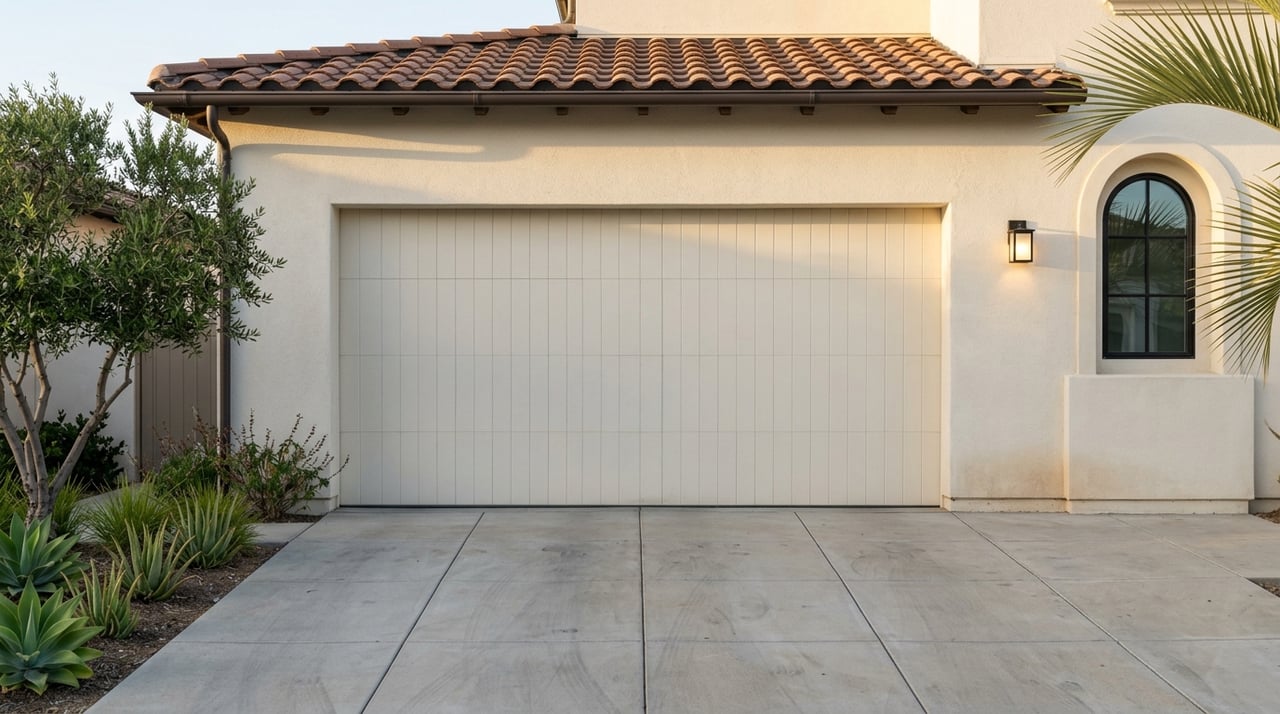
If you picture tree-lined streets, larger yards, and a quieter residential setting, central and south Chula Vista may feel more familiar. The city groups Rancho del Rey, Sunbow, and Rolling Hills among its established communities and describes them as having a quiet small-town feel.
This part of Chula Vista often appeals to buyers who want a classic suburban rhythm. You may find it especially attractive if your priorities include more traditional neighborhood patterns, more separation from denser urban activity, and homes with a little more outdoor space.
Housing in Established Neighborhoods
The central and south areas blend established housing with planned amenities and open space. Planning documents describe Sunbow II as a 604-acre master-planned community with about 1,950 residential units, plus commercial, research, and industrial uses, an elementary school site, a recreation center, and 177 acres of open space.
Rolling Hills Ranch is planned for about 2,600 residential units with parklands, open space, schools, and a fire station. Together, those details show that these neighborhoods are not just residential pockets. They are designed to pair housing with practical daily-use amenities and recreational space.
Commuting From the Middle of the City
Commute patterns in these neighborhoods are mostly freeway-based. The city says established and master-planned neighborhoods have access to I-5, I-805, and SR-125, while the general plan notes that I-805 serves the center of Chula Vista’s residential and commercial areas.
That makes these communities a middle ground between the transit-rich west side and the more self-contained east-side villages. If your routine depends more on driving than rail access, these neighborhoods may offer a comfortable balance of location and neighborhood feel.
East Chula Vista Lifestyle
Master-Planned Living in Eastlake and Otay Ranch
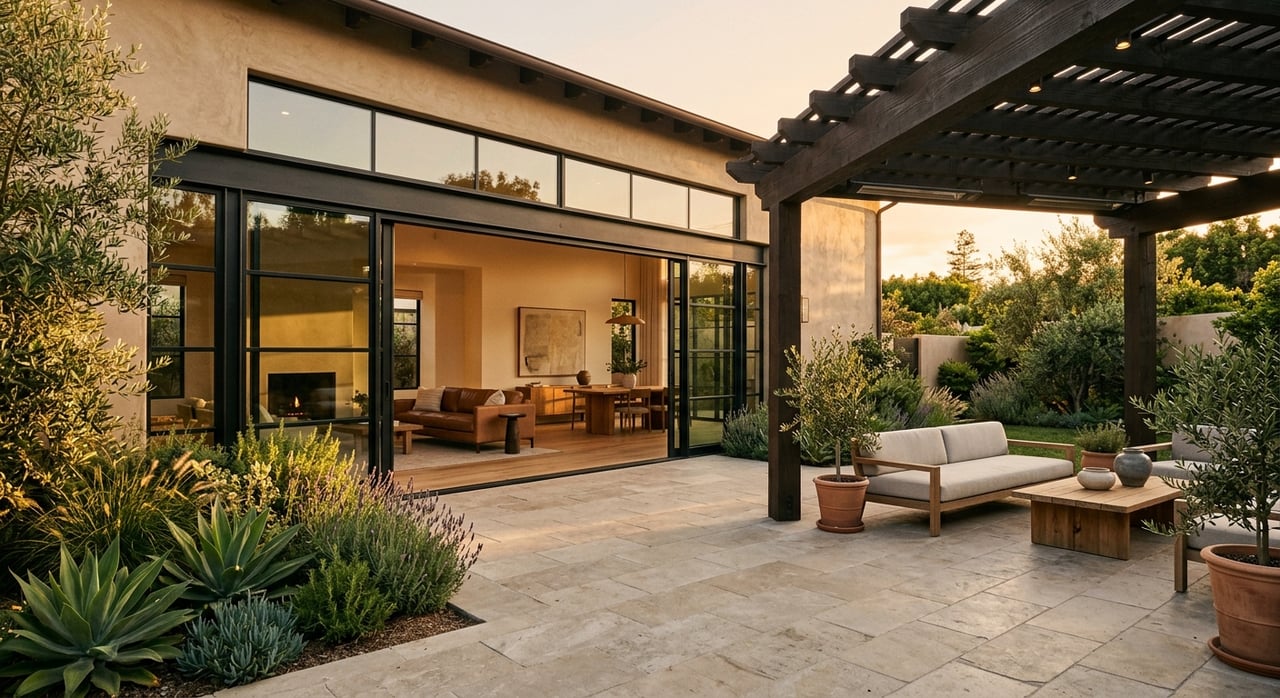
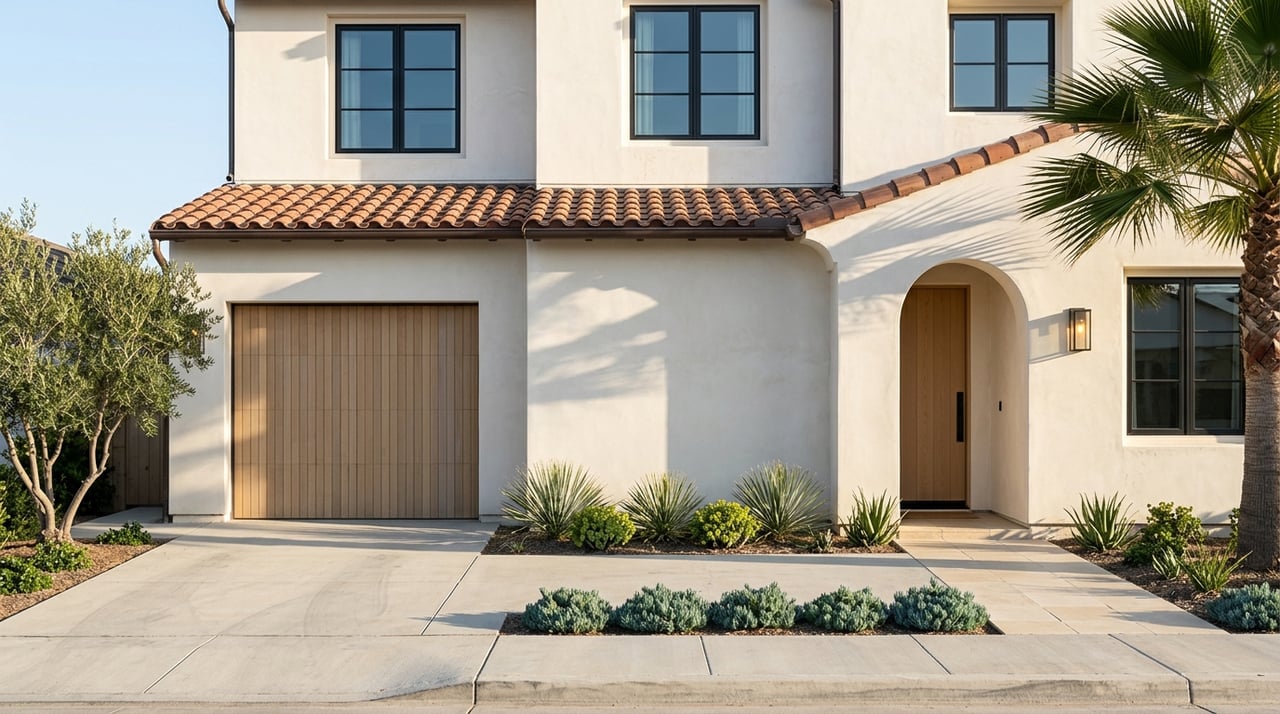
If you want newer development, built-in amenities, and neighborhoods organized around village centers, east Chula Vista deserves a close look. This is where Eastlake, Otay Ranch, and several newer master-planned communities shape a more modern suburban lifestyle.
Otay Ranch is the city’s largest master-planned community. The city says it includes 11 urban villages and is organized around about 27,000 dwelling units clustered around central gathering spaces.
That planning model matters because it shapes how you live day to day. Instead of separating homes from community features, the village-core design places commercial uses, parks, and schools into the neighborhood fabric.
Recreation and Everyday Amenities
Eastlake leans especially strong on recreation and open space. The city describes it as a 3,200-acre master-planned community with residential, retail, commercial, and industrial or office uses, along with more than 1,100 acres of parks, recreation, and open space.
The city also notes that residents can walk or bike around the lake, and that Otay Lakes offer picnic and boating opportunities. Otay Ranch Town Center adds more than 100 specialty stores, a library, outdoor cafes, a dog park, and gathering spaces.
For many buyers, that creates an appealing convenience factor. You are not just shopping for a house. You are also choosing how much of your daily routine can happen close to home.
East-Side Housing Options
One of the biggest misconceptions about east Chula Vista is that every neighborhood offers the same type of home. City information shows a broader mix.
In Otay Ranch’s Heritage village, the city notes 1,565 single-family homes and 1,134 apartment homes centered around a traditional town square, an elementary school, parks, a swim club, and a commercial center. In Millenia, the city describes a walkable community with tree-lined pedestrian avenues, mixed-use lofts, rental apartments, and a 309-unit project that includes street-level shops and resident amenities.
That means east-side buyers may find everything from single-family homes to apartments, loft-style living, and mixed-use options. If you want newer construction or a neighborhood planned around modern amenities, this side of the city often offers the clearest choices.
Trails and Outdoor Access
Even though the east side is farther from the coast, it still offers strong outdoor access. Otay Valley Regional Park links south San Diego Bay with Upper and Lower Otay Lakes and includes hiking, biking, and horse trails.
That regional open-space system adds another layer to east-side living. If your ideal weekend includes trails, parks, and time outdoors, this part of Chula Vista offers more than just newer housing stock.
East-Side Commute Patterns
East Chula Vista is more freeway-connected than transit-first. The city general plan says SR-125 provides north-south access through eastern Chula Vista to La Mesa, eastern San Diego, Otay Mesa, and Mexico, while the city also notes ready access to I-5, I-805, and SR-125.
For buyers, the takeaway is simple. The east side works best when you want a suburban environment with built-in amenities and you are comfortable with a commute pattern centered more on driving than rail.
How to Choose the Right Area
The easiest way to compare Chula Vista neighborhoods is to match them to your lifestyle first, then narrow down housing type and commute preferences. A home can check every box on paper and still feel wrong if the surrounding area does not fit your routine.
Here is a simple way to think about it:
- West Chula Vista may fit you best if you want trolley access, shuttle connections, denser housing choices, and a more urban setting near the Bayfront and Third Avenue.
- Central and south Chula Vista may fit you best if you want a more traditional suburban feel, larger yards, and neighborhoods that sit between the west and east sides.
- East Chula Vista may fit you best if you want newer master-planned communities, village centers, parks, trails, and a more amenity-rich suburban setting.
Why Local Guidance Matters
Because Chula Vista has several distinct submarkets, it helps to work with someone who can connect neighborhood feel, housing type, and commute patterns in a practical way. That is especially important if you are relocating, buying on a timeline, or comparing resale homes with newer construction.
At Beyond The Keys Realty, that neighborhood-level guidance is a big part of the process. Whether you are looking for west-side convenience, a central neighborhood with a more classic residential feel, or east-side new construction, the goal is to help you make a confident move based on how you actually want to live.
If you are weighing your options in Chula Vista, Beyond The Keys Realty can help you compare neighborhoods, home styles, and commute tradeoffs with clear, local guidance.
FAQs
What types of housing are available in Chula Vista?
- Chula Vista offers a mixed housing market that includes single-family homes, apartments, multi-family housing, loft-style living, and mixed-use residential options, with different concentrations depending on the neighborhood area.
Which Chula Vista area has the best transit access?
- West Chula Vista has the strongest transit access, with trolley service, Bayfront Shuttle connections, and expanded community shuttle coverage serving the Bayfront, Third Avenue, shopping areas, and trolley stations.
Which Chula Vista neighborhoods have newer homes?
- East Chula Vista, including communities such as Otay Ranch, Eastlake, Heritage, and Millenia, is the strongest option for buyers looking for newer master-planned development and a wider range of newer housing.
Which Chula Vista neighborhoods feel more traditional?
- Central and south Chula Vista neighborhoods such as Rancho del Rey, Sunbow, and Rolling Hills are described by the city as established communities with tree-lined streets, larger yards, and a quieter small-town feel.
Is Chula Vista better for driving or public transit?
- It depends on the area. West Chula Vista offers the clearest rail and shuttle access, while central, south, and east Chula Vista tend to be more freeway-oriented with access to I-5, I-805, and SR-125.