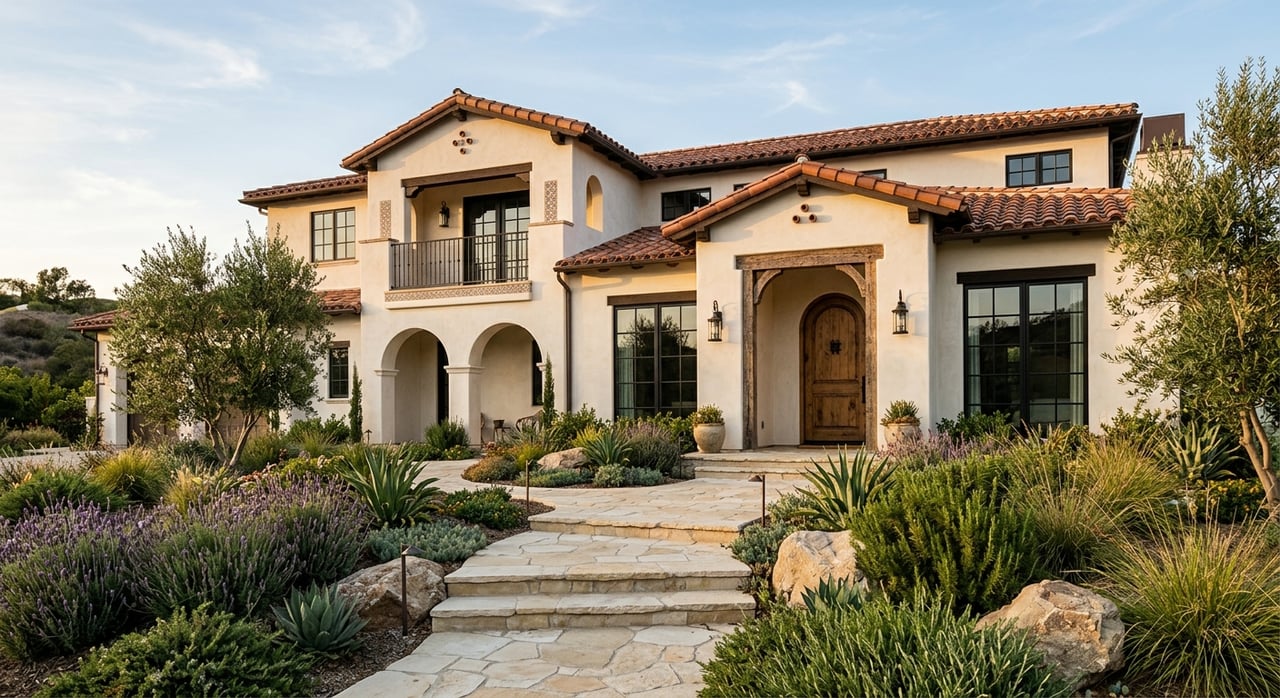
Curious why one Mission Hills home feels warm and handcrafted, while another looks formal, horizontal, or distinctly Mediterranean? In this part of San Diego, architecture is a big part of what you are really buying. If you are house hunting here, understanding the styles on the block can help you spot value, ask smarter questions, and better predict future upkeep and renovation limits. Let’s dive in.
Why Mission Hills Architecture Matters
Mission Hills is not a one-style neighborhood. City records describe it as an early-20th-century suburban residential area shaped by the 1908 subdivision map and planning ideas that followed the land’s natural topography, curving streets, and varied road widths.
That matters because the neighborhood’s appeal is not just about square footage. In Mission Hills, the lot layout, hillside setting, street pattern, and home design all work together to create a strong sense of place. When you buy here, you are often buying into that larger historic context too.
Many homes date to the early 20th century, and city materials note that they have often been carefully preserved. You will see a mix of California Bungalow, Craftsman, Mission Revival, Spanish Colonial Revival, Prairie School, Dutch Colonial Revival, Tudor Revival, and later Minimal Traditional homes.
Craftsman and California Bungalow
What to look for
Craftsman homes in Mission Hills often feature low-pitched roofs, wide eaves, exposed structural details, built-ins, woodwork, beamed ceilings, and deep porches. The California bungalow is treated as a Craftsman type in local guidelines, usually with a single-story layout, gabled roof, and broad front porch.
These homes often stand out because of their handcrafted feel. From the sidewalk, you may notice wood trim, porch columns, original windows, and a strong connection between indoor and outdoor living.
What it can mean for you
If you love character, these homes can be especially appealing. At the same time, much of that charm depends on original materials and details staying intact, especially around trim, windows, and porch elements.
That makes condition especially important. A Craftsman with preserved woodwork and original exterior features may offer a very different ownership experience than one that has been heavily altered over time.
Prairie School Homes
What to look for
Prairie School homes are known for their horizontal lines. Local guidelines identify low-pitched roofs, wide overhanging eaves, large casement windows, stucco exteriors, wood cornices, and one-story porches with large square supports as common features.
On Mission Hills’ hillside streets, these homes often feel broad and grounded. Their lower, expansive profile can stand out from more vertical or ornamented homes nearby.
What it can mean for you
If you prefer cleaner lines and a calmer exterior look, Prairie homes may catch your eye. Their design tends to emphasize width, light, and a strong relationship to the site.
Because these homes often rely on exterior materials like stucco and wood trim for their visual identity, visible wear can be more than cosmetic. It can signal the need for careful repair rather than quick replacement.
Mission Revival and Spanish Colonial Revival
What to look for
Mission Revival and Spanish Colonial Revival homes are a major part of the neighborhood’s historic mix. Common features include stucco walls, arched openings, enclosed courtyards, red clay tile roofs, small balconies, parapets, wrought iron, and shaped gables.
City and local preservation materials connect much of this period-revival development to the years around the 1915 Panama-Pacific Exposition. In practical terms, these are often the homes buyers picture when they think of classic Southern California architecture.
What it can mean for you
These homes can offer strong curb appeal and timeless design. They also tend to depend heavily on specific exterior materials, especially stucco and clay tile, to maintain their original look.
If a roof or stucco surface needs work, the repair approach matters. Matching existing materials and preserving original appearance can be more important here than in a newer home with standard replacement options.
Tudor, Dutch Colonial, and Later Infill
Tudor Revival details
Tudor Revival homes in Mission Hills often feature steep roofs, half-timbering, and decorative plaster or brick details. They can feel more storybook-like and more vertically expressive than Craftsman or Prairie homes.
For buyers, these homes often come with highly recognizable exterior character. That can be a plus for visual appeal, but it also means exterior alterations may be easier to notice and more important to evaluate.
Dutch Colonial and later homes
Dutch Colonial homes typically show gambrel roofs, dormers, flaring eaves, and clapboard siding. The neighborhood also includes post-war Minimal Traditional homes as later infill, and city survey work notes some Mid-century Modern infill along canyon rims and in nearby Rodeffer Hills.
This mix is one reason Mission Hills feels layered rather than uniform. Two homes on the same street may come from different periods and carry very different design expectations.
What Style Means in Daily Ownership
In Mission Hills, character details are not minor extras. Wood trim, stucco finishes, clay tile roofs, original windows, and porch structures often shape daily ownership just as much as room count or layout.
City guidance for historic districts emphasizes keeping original materials where possible and replacing in kind when repair is no longer possible. For buyers, that means the home’s style can directly affect both maintenance decisions and renovation costs.
Historic wood windows, for example, may be candidates for repair rather than replacement. Stucco can be vulnerable to water damage and may need careful patching, while clay tile roofs benefit from regular inspections, clean gutters and downspouts, and prompt replacement of broken tiles with matching materials.
Contributing vs. Non-Contributing Homes
This is one of the most important things to understand before you buy. City materials explain that contributing resources still retain enough integrity to convey the district’s significance, while non-contributing resources were either built outside the district’s period of significance or altered enough that they no longer do so.
That means two similar-looking houses may not come with the same level of review or flexibility. A home’s status can affect what kinds of exterior changes are allowed and how future improvements may need to be handled.
Historic Review and Permit Reality
If a property is in a designated historic district or is itself a designated historical resource, San Diego requires historic review for improvements. The city also states that work normally considered permit-exempt can lose that exemption inside a historic district.
This is where buyers need to think ahead. If you may want to update windows, repair a roof, change siding, rebuild a porch, or add onto the home later, it is smart to understand the review rules before you close.
City materials also note that owners cannot opt out of a historic district. Review happens alongside other permit approvals, so planning early can save you time and frustration later.
Possible Benefits of Historic Status
Historic status is not only about restrictions. City materials note that contributing resources may have access to options like the State Historic Building Code and the Mills Act, which can provide property tax relief while requiring maintenance consistent with preservation standards.
The same city guidance explains that additions should generally be compatible with the house but still differentiated from the original structure. When possible, additions should be placed away from publicly visible facades.
For buyers, this means there may be long-term value in owning a historically significant property, but the path to changes is usually more structured than it would be in a non-historic setting.
Smart Questions to Ask on a Showing
When you tour a Mission Hills home, the architecture should guide your questions. A beautiful facade is only part of the story.
Ask questions like these during a showing or due diligence period:
- Is the home inside the Mission Hills Historic District or the Fort Stockton Line Historic District?
- Which exterior features are original, and which were replaced or added later?
- Were past exterior changes reviewed and permitted by the City of San Diego?
- If the windows, roof, stucco, or porch need work soon, is the likely path repair in kind rather than full replacement?
These questions can help you separate cosmetic charm from true long-term fit. They can also help you understand whether a home aligns with your budget, timeline, and renovation goals.
How to Buy With Confidence in Mission Hills
Mission Hills rewards buyers who look beyond finishes and pay attention to architectural identity. The style of the home can influence maintenance, permit review, resale appeal, and how easily you can make future changes.
That does not mean historic homes are harder to buy. It means they are worth evaluating with a sharper eye and a better plan. When you understand what you are looking at, you can make a more confident decision and protect the features that make Mission Hills special.
If you are considering a move in Mission Hills or anywhere in San Diego, Beyond The Keys Realty can help you evaluate homes with clarity, local insight, and practical guidance every step of the way.
FAQs
What architectural styles are common in Mission Hills, San Diego?
- Mission Hills includes California Bungalow, Craftsman, Mission Revival, Spanish Colonial Revival, Prairie School, Dutch Colonial Revival, Tudor Revival, and later Minimal Traditional homes, according to city and local district materials.
What makes a Craftsman home in Mission Hills distinctive?
- Craftsman homes in Mission Hills often feature low-pitched roofs, wide eaves, exposed details, woodwork, built-ins, and deep porches, while California bungalows are typically single-story with a gabled roof and broad front porch.
What should buyers know about Mission Hills historic districts?
- Buyers should confirm whether a home is in the Mission Hills Historic District or Fort Stockton Line Historic District because historic review may apply to exterior improvements and even some work that is usually permit-exempt.
What is a contributing home in a Mission Hills historic district?
- A contributing home is one that still retains enough historic integrity to reflect the district’s significance, while a non-contributing home may fall outside the period of significance or have too many alterations.
Why do original materials matter in Mission Hills homes?
- Original materials like wood windows, stucco, clay tile roofs, and porch details often define the home’s character and may affect repair methods, maintenance planning, and future project approvals.
What should you ask when touring a historic home in Mission Hills?
- Ask whether the property is in a historic district, which exterior elements are original, whether past changes were city-reviewed, and whether upcoming work will likely require in-kind repair rather than standard replacement.